


The Man and the Birds
Rodgers Oloo Magutha, 28, has become a local celebrity for rescuing and rehabilitating injured and orphaned wild birds in his one-room apartment in Nairobi.
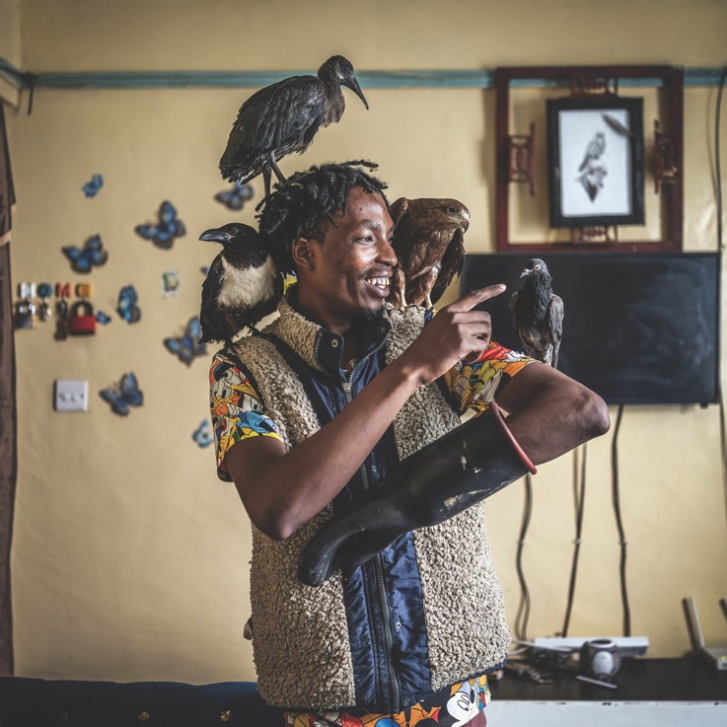
Rodgers Oloo Magutha, 28, has become a local celebrity for rescuing and rehabilitating injured and orphaned wild birds in his one-room apartment in Nairobi.
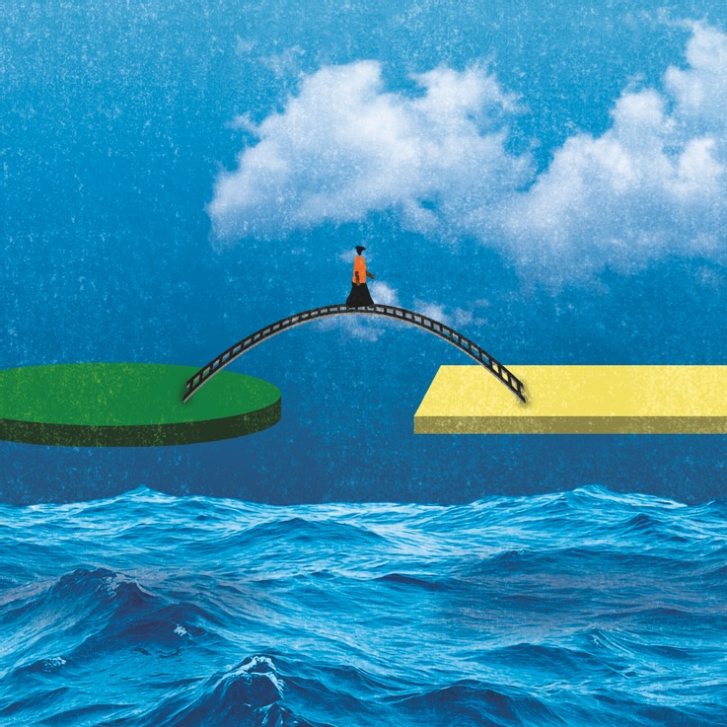
There's validity to the common explanations for the "vibecession," but articles in this issue go deeper into the longer-term loss of agency, growing disbelief in upward mobility, and instability at the root of many people's lives.
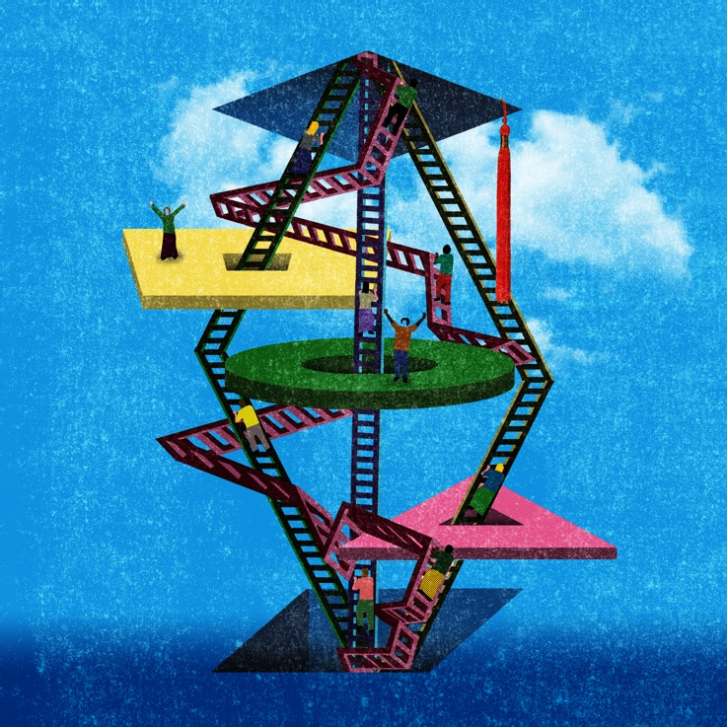
School-based models for developing talent won't provide the skillful, resilient people every society will need going forward. We need to build civic architecture for recognizing learning whenever and wherever it occurs: at home, at play, in community, and especially at work.
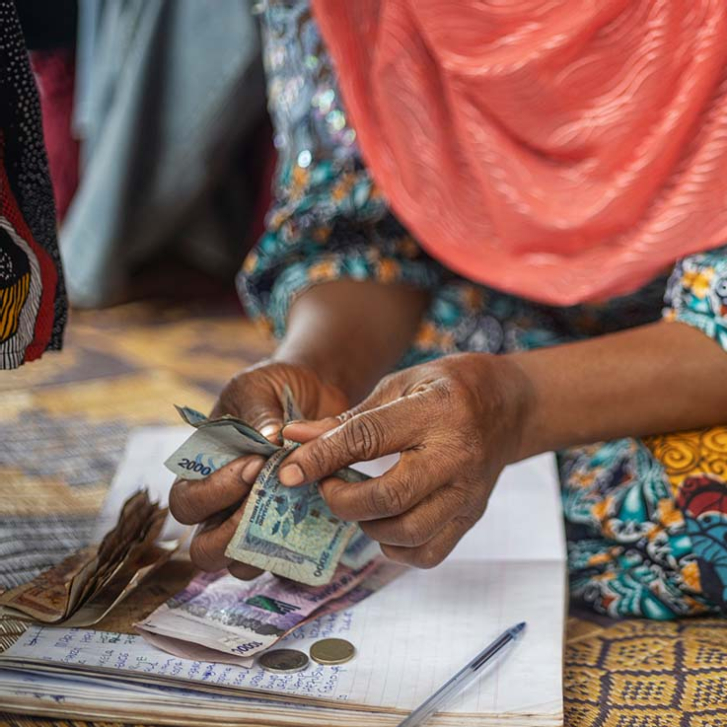
Microfinance isn’t a cure-all solution to poverty, but abandoning it would ignore the real evidence that responsible financial services make a positive, lasting impact on people’s lives.
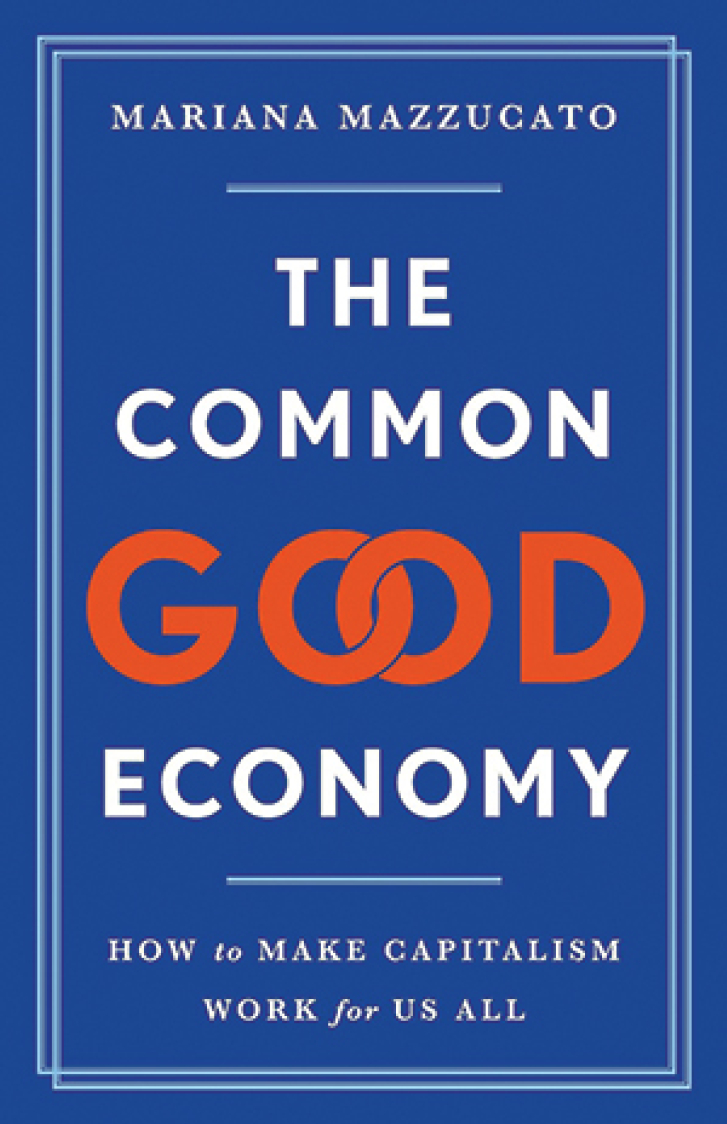
In The Common Good Economy, Mariana Mazzucato is clear-eyed on where we need to go, but the next step is understanding the power structures that prevent us from getting there.

In developing economies, the digital health platforms that actually work are not imported. They are built from scratch by the communities they serve.
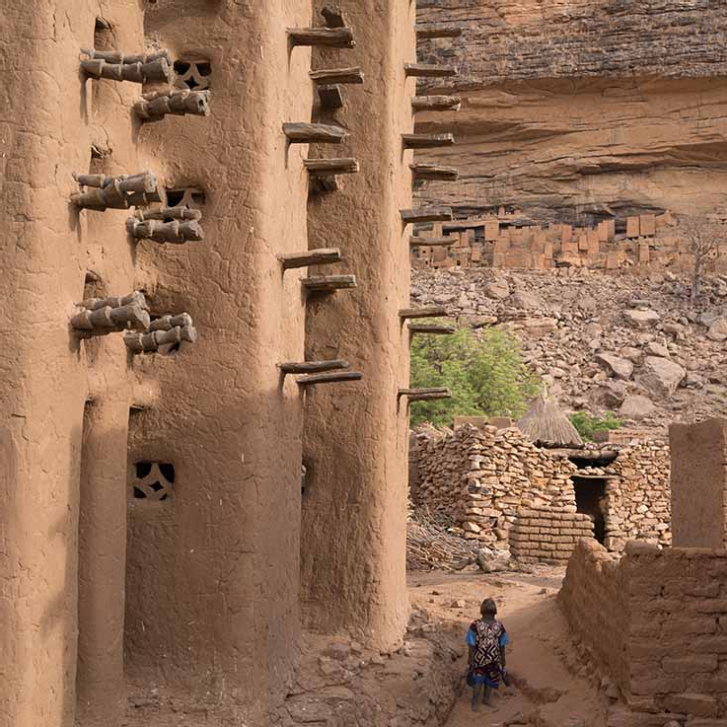
Social innovation means building a road to the future that doesn't yet exist, without lowering standards.
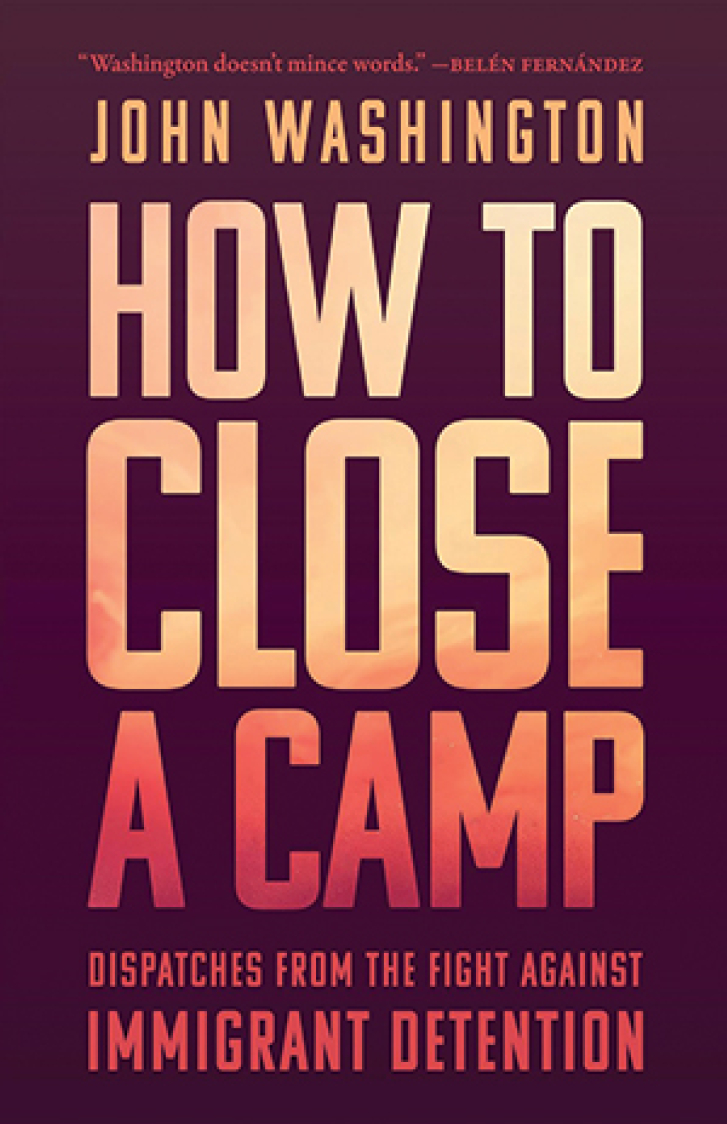
John Washington’s How to Close a Camp explores the contemporary growth of immigrant detainment facilities under the Trump administration but argues that entrenched political failures are what makes them possible and what must be addressed.
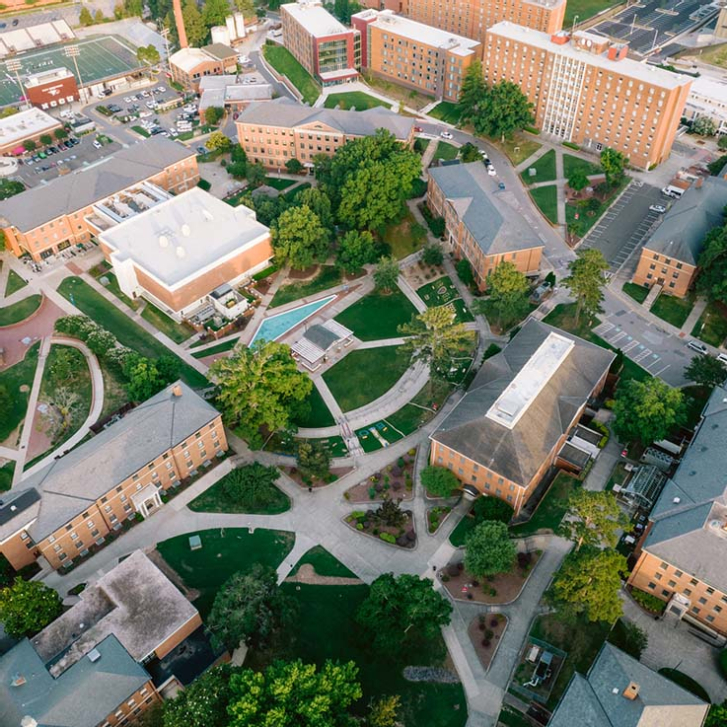
How well-targeted investments can help unlock the full potential of Black higher education.
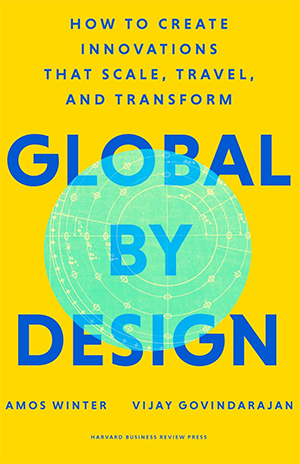
An excerpt from Global by Design on how misguided innovation can cause more harm than not getting involved